A few weeks ago, I was pulling my bins in from the curb after garbage pick-up day, and I heard a faint whirring coming from somewhere in my neighborhood. At first, I thought it was the Pennsylvania Turnpike, but the tone was different than usual.
My son told me to look up. The whirring was emanating from an object in the sky with small, blinking, red and blue LEDs. A neighborhood dad with some extra money on his hands bought a commercially available drone, complete with GPS navigation, an umpteen megapixel camera, and a few other options of which I’m not aware.
My son was excited since his friend started texting video captured from above my house. I was less than excited by the potential invasion of privacy and lack of nearby projectile to shoot up into the air to resolve the issue. However, the event did get me thinking.
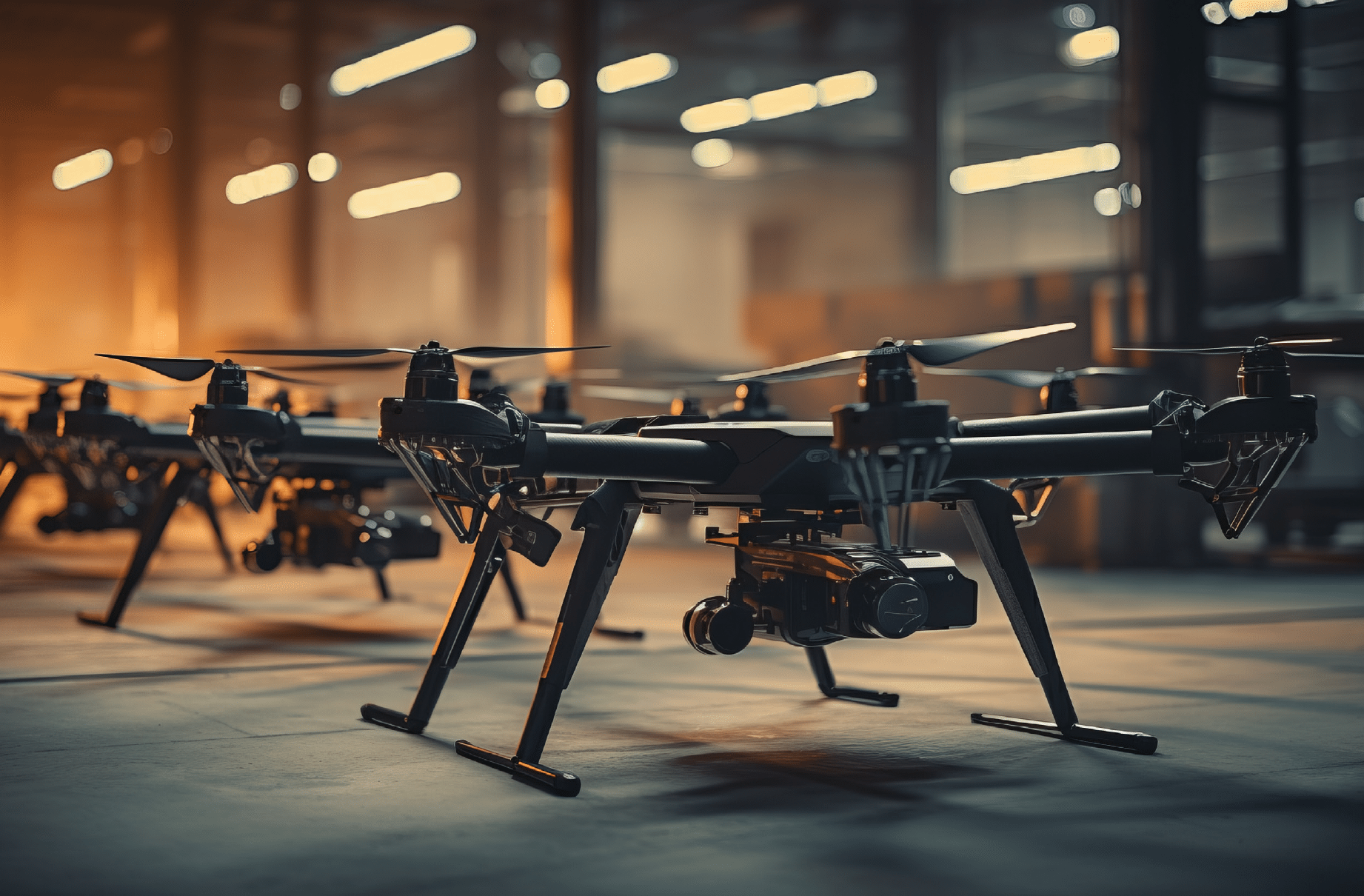
The drone revolution has brought personal unmanned flying aircraft into our local neighborhoods as well as industries such as visual entertainment (movies, TV shows, live sporting events), and military applications. Drone shows at all different types of events are gaining popularity where hundreds of drones are operating simultaneously, making the average EMC engineer’s heart skip a beat or worse (if there’s a pacemaker in place).
Given the myriad of manufacturers who are producing these products and the sheer number of products available gives concern to the electromagnetic spectrum and our local services such as emergency medical services (EMS) and Fire. A quick Amazon search for “personal drones with camera” currently returns 575 results, ranging in price from less than $50 to $500.
Diving deeper into one of the lesser costly models, Amazon’s AI chatbot could not answer if the model was tested for EMI, including FCC Part 15, CE Mark, or any other standard. There exists no regulatory markings on the device, indicating that the manufacturer is not even aware of these requirements. Or, they’re shipping in with risk that it doesn’t get stopped at the border.
The general population is likely not aware of regulatory standards, compliance, or EMI, unless they paid close attention during the TV show Stranger Things. The potential for interference is high, with a spectrum crowded with untested, unproven, and likely non-compliant devices flying in the air.
Many of us live near airports (or even your small local air strips), military bases, or localized installations of military equipment where these drones can and will operate. Those of us reading or writing this column have more of a sensitivity than others, so the concern is high for these interference risks to manifest into larger problems. I still cringe when I’m on a flight and people start turning their phones on while we land.
There is something that CAN be done by us, as E3/EMI/EMC practitioners and industry stakeholders when considering purchasing products like these. We can, and should, advise those who are purchasing or are in the market to buy one with a regulatory mark on it, be it FCC, CE, UKCA or one of the NRTL marks. If we do that as a collective, we’ve at least attempted to help protect the spectrum from disruption.
While I never want to stop technological innovation and moving forward, I do keep my guard up around things involving EMC because, well, that’s what I do for a living. I’ve seen issues manifest themselves in the real world, once even by turning off a television with an automobile key fob (and some other examples).
As a call to action, we should all do our part to at least try to help by making suggestions and practicing what we preach, and help those who may not understand the risks and consequences. And, if they did see Stranger Things, just tell them that Eleven and Dustin would be proud.